
3 min read

Every emerging brand strives towards brand growth. To help you get there, we’ve explored the four most common branding strategies in the previous chapter. But getting from strategy to execution is no easy feat. That’s why there is one branding strategy that warrants our separate attention: the brand extension.
The brand extension strategy is in good company among the other branding strategies: the product line extension, the multi-brand, and the new brand. But statistically speaking, it’s the most difficult strategy to pull off. In fact, studies have shown that brand extensions have an 84% failure rate.
Indeed, businesses considering a brand extension have to perform a balancing act: focus on consistency as well as growth. If they rely on consistency alone, they risk underwhelming customers and making no impact on the marketplace. And if they rely solely on growth, their brand positioning might be at stake and consumers will not understand what the brand stands for.
To help you avoid these pitfalls, let’s delve deeper into what is a brand extension and explore some of the most common examples.
Brand extension 101
The What
The brand extension is also known as brand stretching, and it occurs when a company decides to leverage its existing brand name in order to launch a new product or product category. In order to succeed, the brand depends on an existing pool of loyal customers that are more likely to embrace new product offerings.
Product Line Extension vs Brand Extension
These two terms might appear to be synonymous, but they cannot be used interchangeably. Product line extensions occur when a business adds new items to the same product category. They could be new flavors, ingredients, or package sizes. Brand extensions on the other hand refer to a different product category entirely.
The Why
Wondering why you should embark on a brand extension journey? Here are some of the benefits you can experience as a result of this strategy:
- Reach new customers
- Expand to new demographics
- Boost sales and enhance profitability
- Add diversity to the product offering
- Increase market share
- Gain a competitive advantage
- Diminish marketing costs by banking on the existing brand name
In short, opting for a brand extension can propel your brand growth efforts and take your business to new heights. It can reinforce brand credibility, drive brand awareness, and strengthen your branding efforts. But only if it’s used correctly. So let’s explore what you should have in mind when it comes to your brand expansion.
The How
The stakes are high when you get started your brand expansion strategy. In order to succeed, some businesses rely on the halo effect that allows them to leverage existing consumer favoritism towards one of their products lines in order to launch a new one. But not all brands experience the halo effect to make the brand expansion effortless. Here are some things you should consider as you get started:
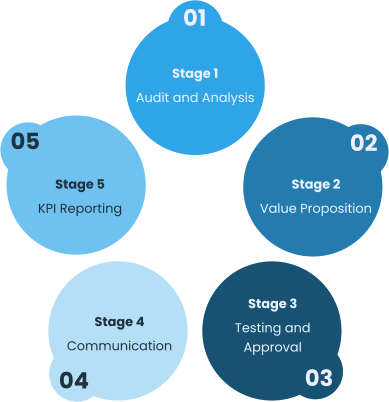
Step 1: Zoom in on Your Brand Equity
Growing your brand implies understanding what makes your business tick in the first place. To unlock that knowledge, you need to zoom in on your brand equity and determine what makes your business valuable in the eyes of the consumers.
These aspects should be reflected in your brand extension as well. For example, if your existing customer base appreciates your product quality, you need to make sure that this aspect will also be a big component of your new product launch.
Step 2: Mind Your Brand Values
Your brand values stand at the core of who you are as a business. They are a big part of your brand story, your brand name, or your brand strategy, just to name a few. If they are not recognizable in your brand extension as well, you will not be able to capitalize on your existing brand reputation in order to succeed.
Ignoring your core brand values will only leave your target audience confused. In turn, this will affect the impact of your brand consistency and undermine your branding goals. To avoid this, make sure you use the same branding elements across the board — from the visuals to tone of voice and personality.
Step 3: Understand Your Target Market
When Honda Motors moved into the power equipment space, they understood that the new market was considerably different from the motorcycle enthusiasts they previously catered to. Adapting to the new market conditions was key to their success.
If you want to reap the same rewards, you will need to determine what your new target audience wants and how you can respond to their needs. To do so, you will need a new buyer persona in order to pinpoint your ideal customer. If your target audience will not undergo a significant change, you will need to understand how the new product line will feed into your existing knowledge about your customers.
Step 4: Analyze Your Chances
To succeed, you need a watertight brand extension strategy. And getting there implies being ready to strengthen your decision with the right data. As a result, you need to analyze your current brand positioning in order to understand what lies ahead and prepare yourself for potential bottlenecks.
In addition to this, you need to look at what your competition is doing and try to glean insights from their existing brand extensions. And last but not least, justify your new service or product against your brand values. If it does not rise up to the expectations, it might be time to reconsider your strategy.
Step 5: Test and Measure the Impact
Every successful brand extension relies on consistent feedback from your target audience. That’s why having a loyal customer base can help you go a long way in your brand extension efforts. You can start with a pilot test and gather feedback before your full launch.
This information should be used to inform and fine-tune your branding plan so that you can appeal better to your target audience.
Brand Extension Examples
Ralph Lauren started from his ‘Polo’ menswear line, but the brand later expanded to women’s collections, fragrances, and more. As a result of the extension, the brand managed to appeal to different audiences while projecting the same consistent brand image.

Source: image
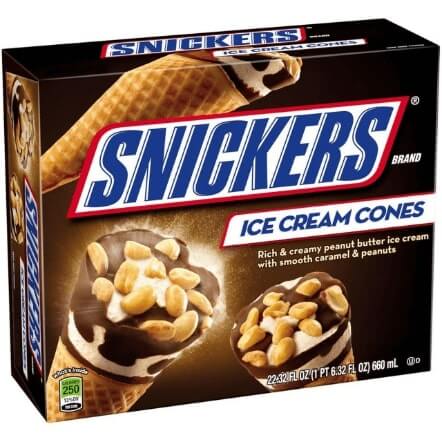
Snickers stayed true to their chocolate bars until they decided to extend their brand to ice cream bars as well. This added a fresh twist to their unchanging product and also provided some much-needed variety to their consumers.
Source: image
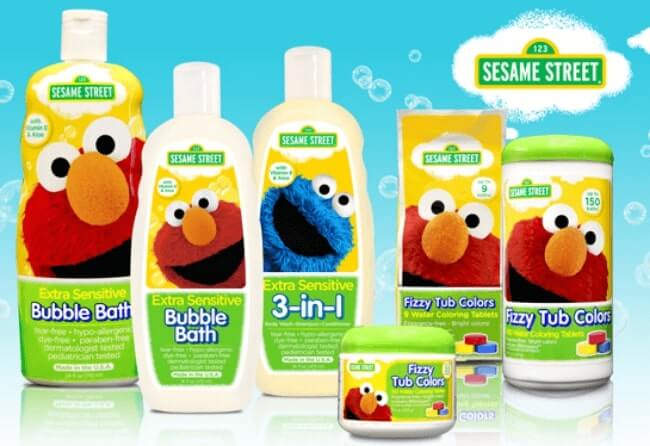
Sesame Street’s educational television series got a brand extension through the Sesame Street Bubble Wash or Sesame Street Toys. The brand managed to leverage its existing customer base in order to provide more products that would fit this niche.
Source: image
Brand Extension: To Be or Not to Be?
Just like Rome was not built in a day, you don’t need to launch your brand extension strategy overnight. In fact, it’s advisable to take all the time you need in order to make it a success. A brand extension might be risky and riddled with uncertainty, but doing it right can unlock numerous opportunities for your brand.
And if you find that a brand extension is not for you, just go back to the other branding strategies and assess your chances of success. Who knows? Maybe the product line extension, the multi-brand, or the new brand would be a better fit for you.
The Xara branding hub
Whether you want to grasp the basics of branding for your new business, want to work on your brand strategy, are stuck with your brand visuals or want to find branding tips on how to grow your business, check out:
- Foundations — Learn the basics of branding
- Strategy — Plan your brand strategy
- Build Story — Build a brand 1: Your brand story
- Build Visuals — Build a brand 2: Your brand visuals
- Management — Control your brand: Brand management
- Growth — Grow your brand: Brand marketing
- Improvement — Improve your brand: The rebrand
- Measurement — Measure your brand: Brand analytics and KPIs