
TL;DR: Facebook remains a high-impact channel for real estate agents to generate visibility, leads, and trust—without paid ads. Focus on mobile-first content, niche targeting, fast attention-grabbing posts, and consistent engagement. Use automation and AI-powered tools to scale your content and stay consistent.
Facebook Marketing for real estate is a powerful tool for every realtor’s social media marketing strategy. It remains one of the most widely used social platforms, allowing agents and brokers to connect with potential clients at scale. With billions of active users, Facebook offers strong opportunities for automated listing marketing, brand positioning, and community engagement.
According to the National Association of Realtors, 90% of agents use Facebook to promote their listings. Additionally, millennials—one of the largest groups of buyers and sellers—are highly active on the platform. If you’re not leveraging Facebook, you’re missing a key channel for scalable real estate marketing.
This article will teach you twelve ways to improve your Facebook page as a real estate agent without paying for ads.
Once you’ve implemented these strategies, you can expand into paid campaigns. For guidance, explore this Facebook ads guide for real estate agents to reach targeted audiences and generate more qualified leads.
1. Realtors, Make Your Content Mobile-Friendly!
 Source
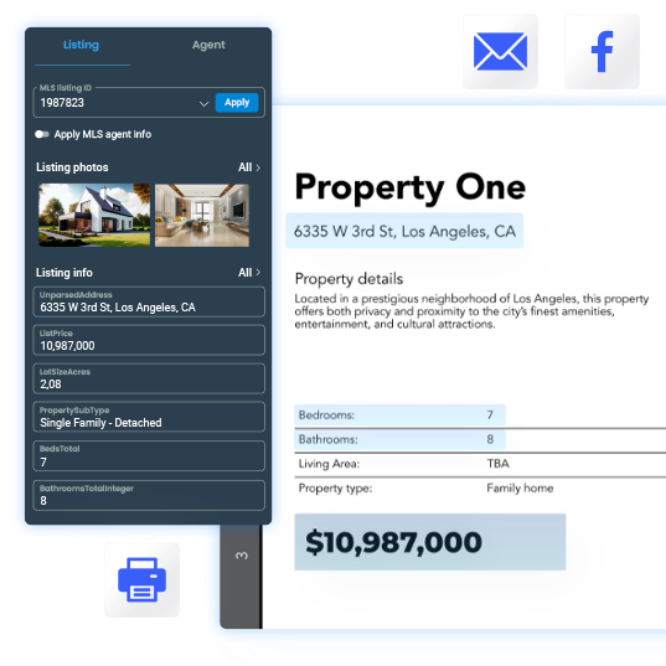
Most Facebook users browse on mobile, so your content must be optimized for small screens. In fact, 98.5% of users access Facebook via mobile devices.
If your posts are not mobile-friendly, they can appear cluttered or difficult to read. This reduces engagement and leads. Instead:
- Use square or vertical videos
- Add captions for silent viewing
- Keep text concise and readable
Mobile-optimized content is more likely to be shared, improving reach and visibility. For more ideas, explore these real estate marketing content ideas.
2. Define a Narrow Target Audience
Facebook has over 2.9 billion monthly active users, making targeting essential.
A clear audience helps you:
- Create relevant messaging
- Improve engagement
- Increase conversion rates
For example, instead of targeting “homebuyers,” narrow it to “first-time buyers in your city.” This approach aligns with a strong real estate marketing plan and improves ROI.
3. Grab Your Audience’s Attention Within 3 Seconds!
 Source
Facebook is a fast-scrolling platform. You have only a few seconds to capture attention.
Key takeaway: Your content must hook viewers instantly.
Use:
- Strong opening visuals
- Clear headlines
- Short, engaging videos
Whether you’re sharing listings, tips, or success stories, make them visually compelling. For inspiration, check these real estate social media post ideas.
What kind of content should I create on Facebook?
Focus on:
- Property listings and virtual tours
- Buyer and seller tips
- Client testimonials
- Local market updates
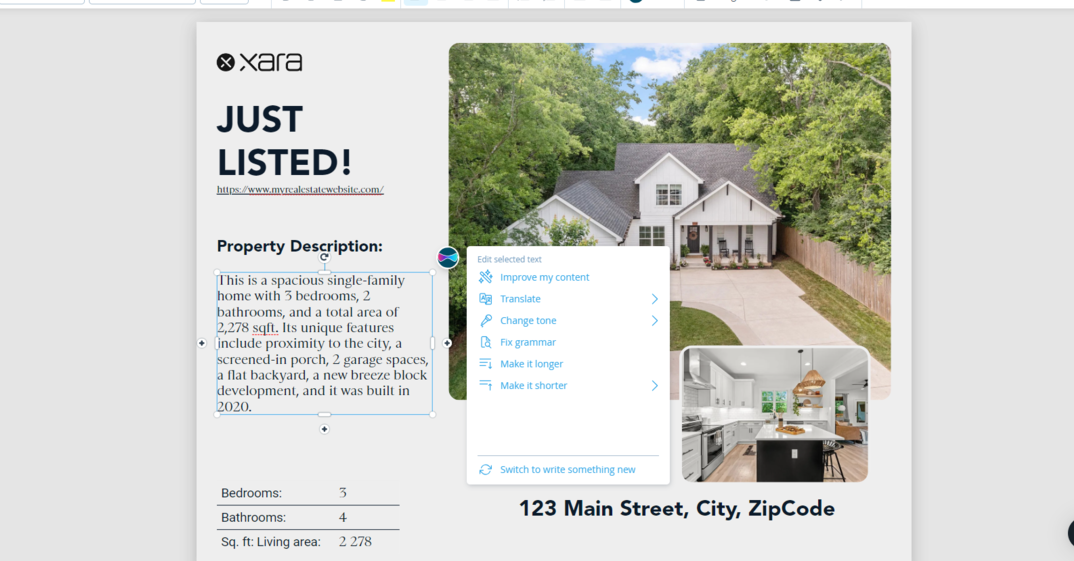
With Xara’s AI-powered social media manager, you can generate and schedule consistent, on-brand content across your channels.
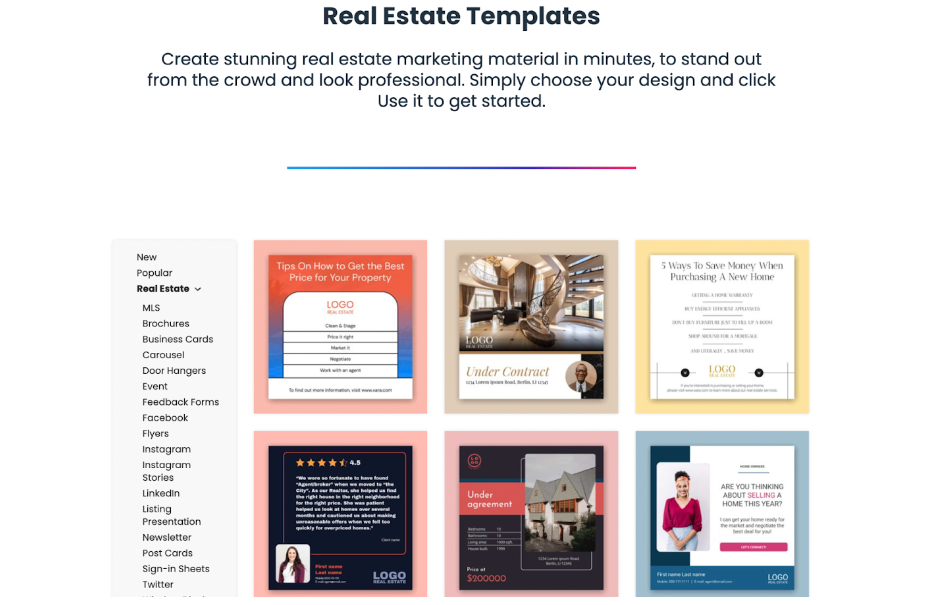
You can also streamline your workflow with automated tools instead of manual templates. Discover more in this guide to automated real estate marketing.
Create Your Real Estate Marketing Materials with Xara for Free!While Facebook Marketplace policies have evolved, agents can still promote listings effectively through posts, groups, and automated campaigns.
4. Don’t Be Afraid To Ask For Customer Reviews
 Source
Social proof builds trust and credibility. Positive reviews from past clients can influence new prospects more than self-promotion.
Encourage satisfied clients to leave reviews on your page. This strengthens your reputation and supports long-term growth, similar to strategies outlined in real estate lead generation.
5. Fill in Your Business Contact Info
Complete and accurate contact details improve trust and discoverability.
Best practices:
- Include phone, email, and address
- Keep information updated
- Add business hours and response times
This also supports local SEO and visibility.
6. Improve Your Call to Action
A strong call to action (CTA) drives engagement and conversions.
Examples:
- Schedule a showing today
- Contact me for expert guidance
- Browse available listings
- Book a consultation
- Start your home search now
Align your CTA with your landing pages and marketing funnel for better results.
7. Use Facebook Search to Find New Leads
 Source
Facebook search is a simple but effective prospecting tool.
Step-by-step:
- Search keywords like “moving to [area]”
- Filter by location and demographics
- Identify relevant conversations
- Engage naturally via comments or messages
This approach complements broader real estate prospecting strategies.
8. Engage with Your Audience & Reply to Comments
 Source
Engagement is essential on social media.
Responding to comments:
- Builds trust
- Increases visibility
- Strengthens relationships
Consistent interaction positions you as a reliable local expert.
9. Target A Specific Niche To Stand Out
Specializing helps differentiate your brand.
Examples:
- Luxury homes
- First-time buyers
- Investment properties
Use niche-specific content and real estate hashtags to reach the right audience.
10. Join Local Facebook Groups
 Source
Facebook groups offer strong local engagement.
Best approach:
- Provide value, not spam
- Answer questions
- Share expertise
This builds authority and aligns with becoming a thought leader in real estate.
11. Use Facebook Live Feature
 Source
Facebook Live helps you connect in real time.
Benefits:
- Free visibility
- Real-time interaction
- High engagement
Use it for:
- Virtual tours
- Market updates
- Q&A sessions
12. Build Trust with Authenticity – Be Yourself!
 Source
Authenticity builds connection and trust.
Tips:
- Maintain consistent branding
- Share behind-the-scenes content
- Use your own voice
- Engage personally with followers
Strong branding is key—learn more in real estate branding tips.
Facebook Marketing For Real Estate – Conclusion
Facebook remains a high-impact channel for real estate marketing. By applying these strategies, agents can improve visibility, build trust, and generate consistent leads without relying on paid ads.
To scale your efforts, consider using AI-powered tools like real estate marketing automation software.
Xara helps brokerages and agents generate branded campaigns instantly, automate listing promotion, and maintain consistent social media output.
Here’s how Xara supports your marketing:
- Automated listing marketing and campaign generation
- Consistent brand application across all content
- AI-assisted content creation for social media
- Scalable workflows for brokerages and teams
- Centralized collaboration and asset management
With the right strategy and tools, you can turn Facebook into a reliable source of real estate leads and long-term growth.
Try Xara’s Real Estate Marketing Center today!
Frequently Asked Questions
How often should real estate agents post on Facebook?
Aim for consistency—3 to 5 times per week is effective. Using an AI social media manager can help automate posting.
What type of Facebook content generates the most engagement?
Video tours, client testimonials, and local insights typically perform best.
Is organic Facebook marketing still effective for real estate?
Yes. With the right strategy—engagement, niche targeting, and consistent posting—organic reach can still generate leads.
How can I scale my Facebook marketing efforts?
Use tools that automate content creation and distribution, such as marketing automation platforms, to maintain consistency and save time.

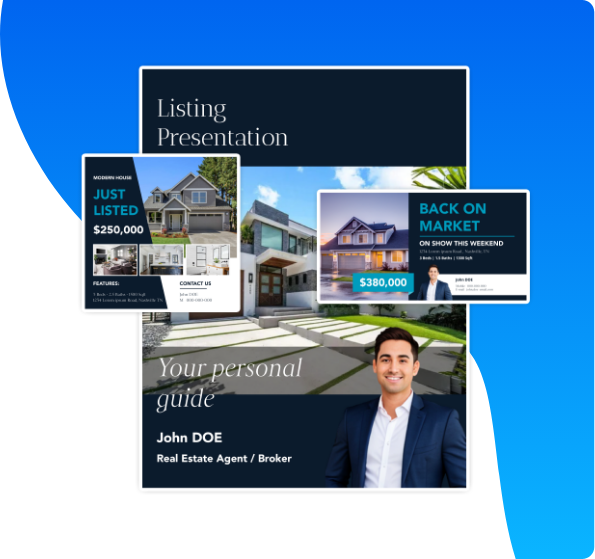
Get Your Free Real Estate Marketing Materials For Your Business!
Join 10 000+ real estate agents powered by Xara Marketing Center.
- Sign up for a free account.
- Get a 14-day premium trial.
- No credit card required.



 No credit card or phone number required.