4 min read

In banking, you often hear: What is your collateral worth? As in what do you bring to the table in order to secure a loan or make a deal come through? It could be a property, a vehicle, jewelry, or any other asset that can be easily monetized. In a way, the borrower is making a promise, relinquishing their claim over the collateral in case they cannot meet future payments.
Brand collateral works in a similar fashion, but there is no monetary promise at stake. Instead, brands use every asset they have in order to make the promise of their product or service real in front of their target customers. And these assets add value to their marketing efforts and boost sales.
To help you reap the benefits of brand collateral and deliver on your brand’s promise, read on to uncover what is brand collateral and the brand collateral list you need for your business.
Brand Collateral: A Definition
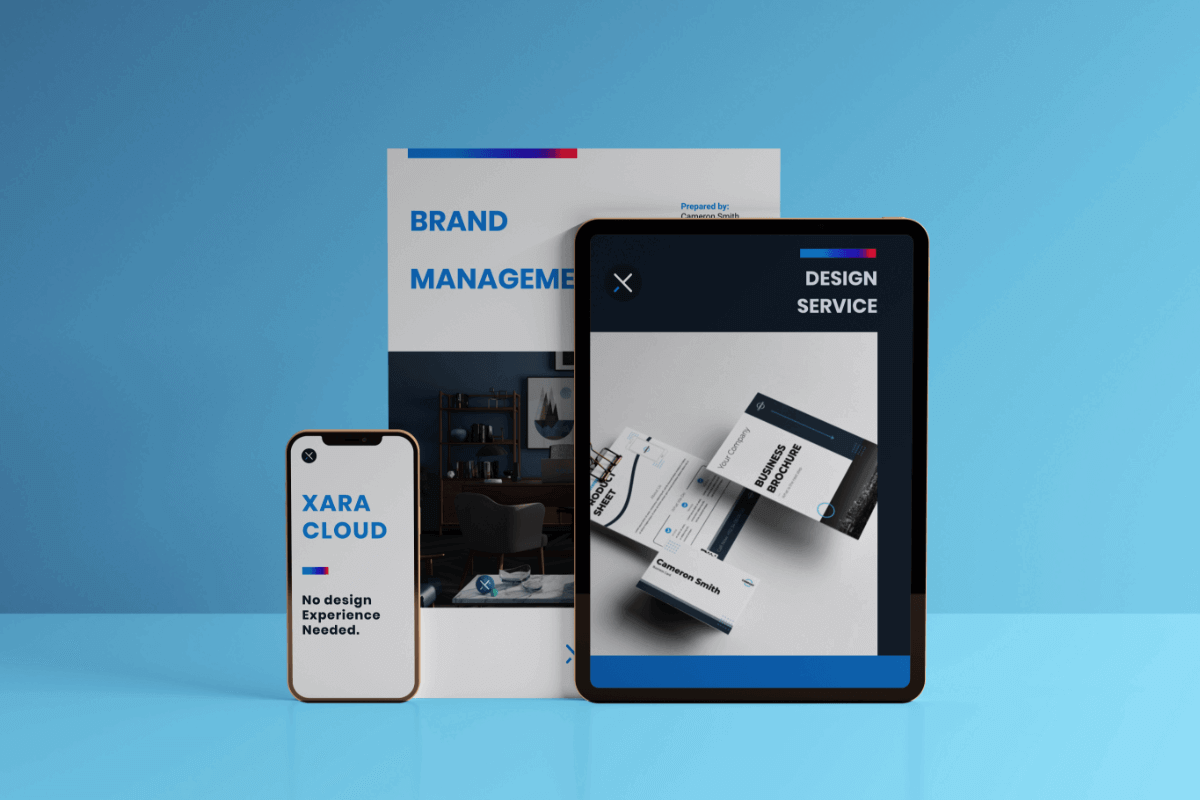
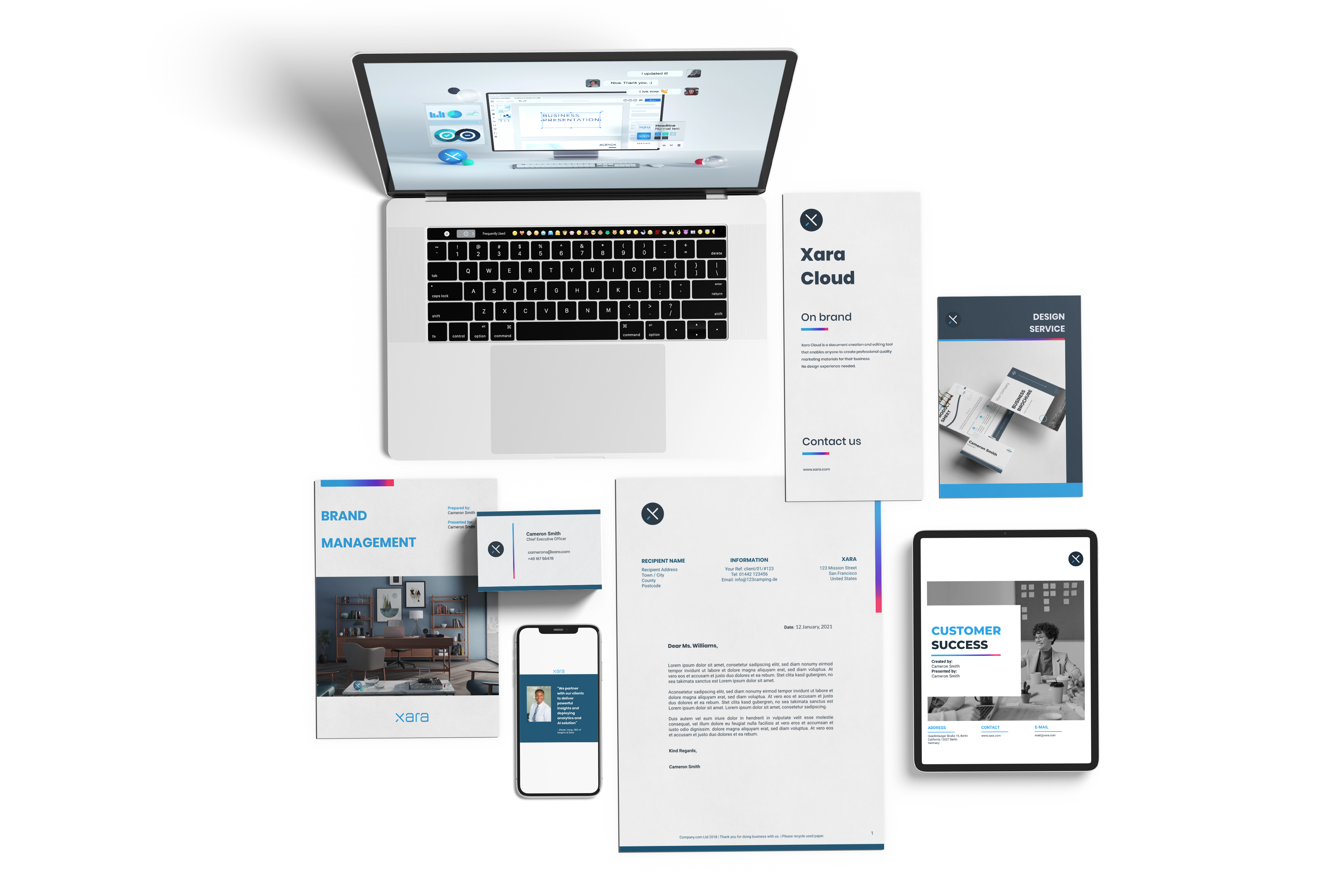
Brand collateral is the collection of printed materials used to promote your brand. It includes brand stationery, brochures, newsletters, packaging materials, or business cards. Considering that a lot of brand interactions take place online, collateral materials also encompass website, social media, e-newsletters, or blog articles.
Building consistent brand collateral is important in order to generate brand awareness and recognition. As you develop your brand collateral list, here are some examples worth including
Booklets
Brochures
Business cards
Catalogs
e-Cards
e-Books
Event marketing
Flyers
Social media
Newsletters.
Presentations
Product sheets
Proposals
Web banners
Website
Why Is Brand Collateral Important?
1. It Helps You Showcase Your Brand Story
You have infused your brand story in most of your branding elements — when you devised your brand name, your tagline, and your manifesto. Most of these aspects were created with a story in mind, right? So why not leverage that story in all your branding collateral? It’s your opportunity to share how your business started and what drives it forward.
If you design your brand collateral with your story in mind, your audience will surely remember you and engage with your brand. To this end, make sure that you use beautiful high-quality images and avoid generic messages that will not help you stand out.
Brand Collateral Idea: Brochures can be used for a wide variety of purposes and ideas. No matter what you sell, chances are that you might need a brochure in order to inform prospective customers about your product or service. And to achieve the best results, make sure that your brochure is relevant to your brand and conveys your brand story accordingly, through relevant visuals, appropriate brand elements, and engaging content.
2. It Advances Your Brand Positioning
Your brand positioning prescribes how your brand will be perceived in the marketplace. As a result, you want to use the right brand collateral in order to make sure that you appeal to your target audience and accurately represent what your business stands for.
Let’s take the auto industry for example. There are plenty of cars to choose from, but they are not positioned in the same way. Some are sports cars and appeal to speedsters, while others are family cars targeting drivers that appreciate safety above all else. As a result, the product catalogs and flyers used in the auto industry are essential to highlight this distinction.
Brand Collateral Idea: Developing case studies could be a great way to showcase what your brand stands for by leveraging customer success stories. Keep them short and to the point: one or two pages long, highlighting a customer experience with your brand and the challenges they have overcome as a result of using your product or service. In turn, this will help you position yourself better and help customers see real-life solutions to their problems.
3. It Turns Great Impressions into Revenue
You know that money talks. That’s why every investment you make into brand collateral should be considered in terms of the gains that you would derive out of it. Yes, you want to stand out, but you also want to drive more sales. In order to achieve this, you have to approach your brand collateral strategically — it’s not something that you put together last-minute before a customer meeting. A sound strategy answers these questions:
- What is the purpose of your brand collateral?
- Who is your target audience?
- How will your target audience access your collateral?
- What makes you think it is going to work?
Answering these questions will help you make the most of your brand collateral efforts and determine if the gains are worth your investment.
Brand Collateral Idea: A brand catalog is a great option to showcase your product and also drive more sales. Catalogs are longer than brochures since they delve deeper into product specifications and provide in-depth details regarding the price, individual parts, or the story behind the product. In addition to this, it is set to drive more sales because the product offering is displayed in such a way that it encourages readers to make a purchase.
What Is Your Brand Collateral Worth?
There are plenty of brand collateral examples, fit for any business need. And they can all help you build brand awareness, trust, and following. But in order to reap these benefits, you need access to the right platform that allows you to build all the branding collateral that you see fit. From product brochures to business cards, it’s important to personalize your materials with ease.
Most tools come with a drag and drop editor that helps you easily create your materials without any design experience. As a result, you are able to save time and come up with different assets in order to engage your audience with meaningful content.
The Xara branding hub
Whether you want to grasp the basics of branding for your new business, want to work on your brand strategy, are stuck with your brand visuals or want to find branding tips on how to grow your business, check out:
- Foundations — Learn the basics of branding
- Strategy — Plan your brand strategy
- Build Story — Build a brand 1: Your brand story
- Build Visuals — Build a brand 2: Your brand visuals
- Management — Control your brand: Brand management
- Growth — Grow your brand: Brand marketing
- Improvement — Improve your brand: The rebrand
- Measurement — Measure your brand: Brand analytics and KPIs