
TL;DR
Building a strong brand still requires clear identity, messaging, and understanding your audience. But today, the execution side (content creation, posting, and maintaining consistency) can be automated. This allows businesses to focus on strategy while tools handle the repetitive work behind the scenes.
How to Build a Strong Brand
There are many challenges on the road to success, and building a brand is one of the most important ones.
Your brand is:
- Your first impression
- Your reputation
- Your competitive edge
It shapes how people see you and whether they choose you.
Why Branding Matters
A strong brand:
- Makes your business recognizable
- Builds trust and credibility
- Increases perceived value
- Creates emotional connections
- Gives you a competitive advantage
To build that brand, you need to think like your audience:
- Who are they?
- What do they need?
- How do they perceive you?
- Where do they interact with your business?
Research and analyze your audience, the closer your brand meets their needs and interests, the more successful it will be.
Key Takeaways
- Branding shapes perception and trust
- Understanding your audience is essential

1. Create an Effective Website
Your website is your brand’s home.
It allows you to:
- Control your message
- Present your identity
- Convert visitors into customers
A strong website should include:
- A clear message
- An “About Us” page that builds trust
- Proof of credibility (team, results, achievements)
But having a great website is not enough, you need to make sure that people find it.
That’s why it should work together with other channels like social media, email, and advertising.
Today, many businesses connect their website to marketing systems that keep content active and aligned automatically, ensuring their brand stays visible even when they’re busy.
Key Takeaways
- Website = central brand hub
- Must build trust and credibility
- Works best when connected to marketing channels
2. Be Present on the Right Social Platforms
Social media is essential for brand awareness. But success isn’t just about having followers: it’s about engagement.
To build engagement, your content should be:
- Relatable
- Relevant to your niche
- Consistent
- Visually aligned with your brand
Traditionally, this required constant posting, manual content creation and daily effort.
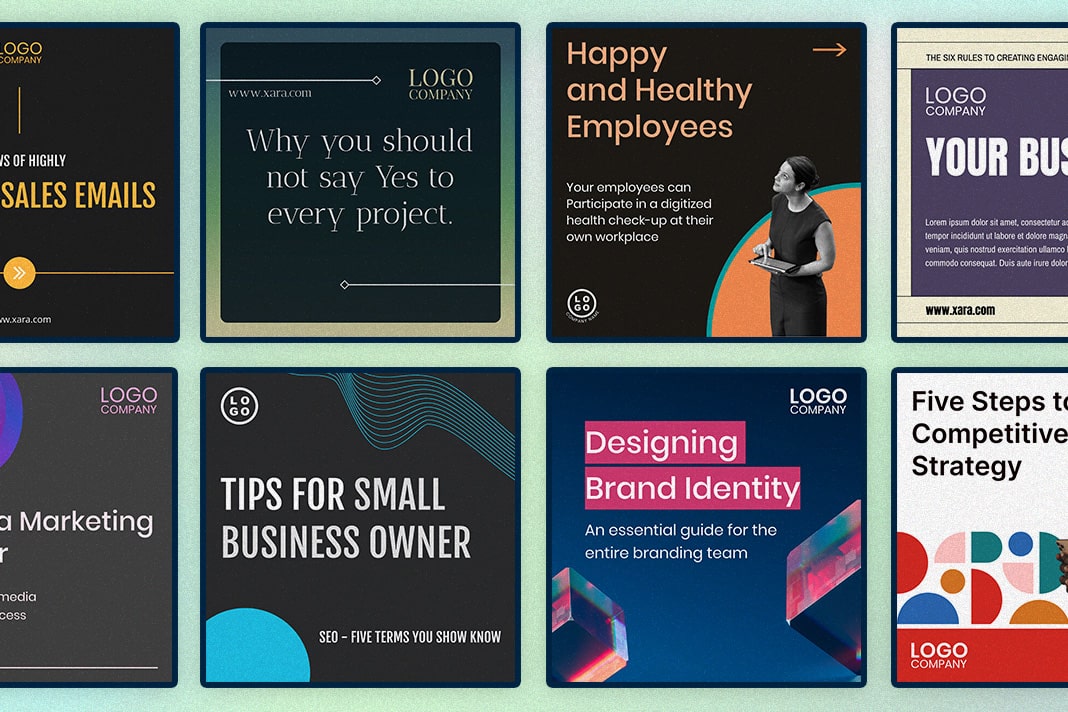
That’s where many businesses struggle. Today, automation tools, for example Xara’s AI Social Media Manager, can support this process by:
- Generating content based on your activity
- Writing captions
- Publishing posts automatically
This doesn’t replace your brand voice, it helps maintain it consistently, even when you don’t have time.
Key Takeaways
- Social media builds awareness and trust
- Consistency matters more than frequency
- Automation helps maintain presence
3. Define Your Mission and Goals
Your brand needs a clear purpose.
Ask yourself:
- Why does your business exist?
- What problem are you solving?
- What impact are you making?
A strong mission:
- Creates emotional connection
- Differentiates you
- Guides your messaging
When communicating your brand:
- Repeat your core message
- Use consistent visuals and tone
- Reinforce your identity across channels
Modern tools can help apply your messaging consistently across all marketing outputs — ensuring your brand voice stays aligned everywhere.
Key Takeaways
- Mission drives emotional connection
- Consistency strengthens recognition
- Messaging should be repeated across channels
4. Build a Strong Brand Identity
Your identity defines who you are as a brand.
It includes:
- Personality
- Tone of voice
- Visual style
- Values
To build it, you need to answer:
- Who are we?
- What do we stand for?
- Who are we helping?
Then create your brand story.
A strong narrative helps people connect with you beyond just products or services.
Consistency is key.
Your website,
Social media,
Communication,
Marketing materials
Everything should reflect the same identity.
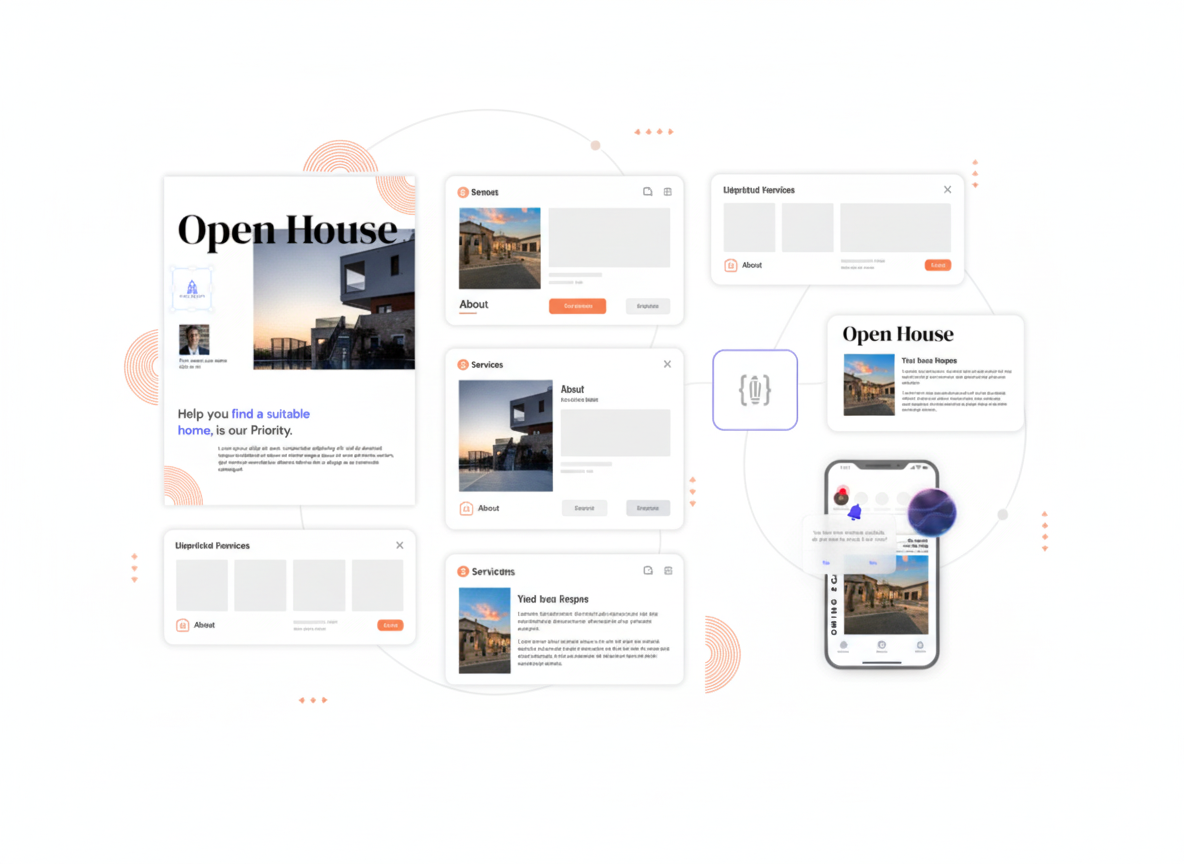
Today, branding consistency can be supported by systems that automatically apply logos, colors, and styles across all content; reducing human error and saving time.
Key Takeaways
- Identity builds emotional connection
- Storytelling strengthens your brand
- Consistency across all touchpoints is critical
5. Design Your Brand’s Aesthetics
Your visuals shape how people feel about your brand.
Your aesthetics should match your:
- Niche
- Audience
- Personality
Traditional process includes:
- Brainstorming ideas
- Defining your audience
- Refining your style
- Adapting designs across platforms
- Gathering feedback
It is still important, it defines your creative direction. However, once your aesthetic is defined, execution can be simplified.
Instead of creating every asset manually, modern systems can:
- Generate branded visuals automatically
- Adapt them to different platforms
- Keep everything consistent
This allows you to focus on creative direction, not repetitive production.
Key Takeaways
- Aesthetics influence perception
- Strategy comes before execution
- Automation helps scale design consistency
Final Thoughts
Building a brand takes time, clarity, and consistency.
The strategy part will always matter:
- Understanding your audience
- Defining your identity
- Shaping your message
But the execution part has changed. Today, you don’t need to create every post manually, design every asset yourself or manage every channel daily.
With the right systems in place:
- Your brand stays consistent
- Your content stays active
- Your business keeps growing
So you can focus on what matters most: building relationships and growing your business.
FAQ
- Is branding still important if I automate marketing?
Yes: automation supports branding, but strategy and identity still come first. - Do I need to post on social media every day?
Consistency matters more than manual effort, automation can handle this. - Can automation replace creativity?
No. It supports execution, but your brand direction still comes from you. - What’s the biggest branding mistake today?
Being inconsistent across platforms. - How can I maintain branding with limited time?
Use systems that automate content creation and enforce brand consistency.


 No credit card or phone number required.